Tent home heating is required to appreciate a comfortable rest however a lack of proper ventilation postures health and safety threats. Fire risks, carbon monoxide gas poisoning and wetness retention are simply a few problems to think about when making use of heaters in outdoors tents.
Ventilation layout is a critical factor for camping outdoor tents manufacturers, representatives and outside brand names. Understanding the factors that drive air flow sustains product longevity, comfort and climate compatibility.
Properly Placing Heating Units
The key safety problems connected with outdoor tents home heating involve fire dangers and oxygen depletion. These dangers can be lessened by developing cross-ventilation, always adhering to the producer's guidelines and making use of fire-resistant products for the outdoor tents and bordering areas.
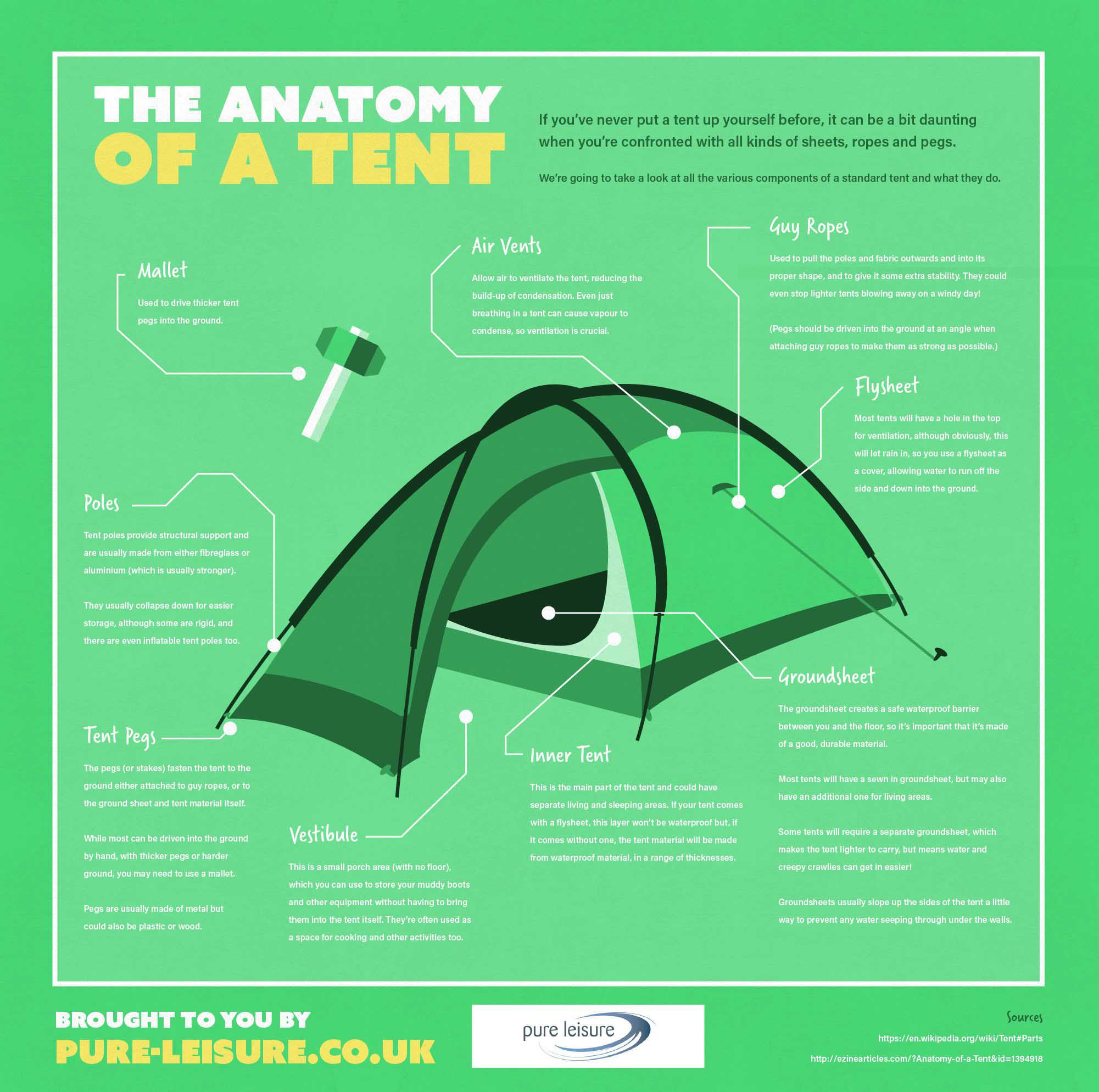
To minimize threat, professional camping tent producers deal with air flow as an all natural style strategy. Seasonal tents usually include long-term mesh panels that maximize air movement for a single environment, while four-season styles use adjustable air flow systems. These alternatives enable outdoors tents to accommodate varying weather conditions while maintaining convenience and resilience.
Effective ventilation relies upon the pile effect of hot air climbing, driving convection currents and decreasing ambient temperatures. Properly taken advantage of with roof covering vents and high-positioned openings, this ventilation system prevents carbon monoxide poisoning while managing wetness and condensation. It likewise enables cooler replacement air to get in from ground-level openings, stabilizing ventilation with temperature control during peak heat.
Taking care of Dampness
In addition to safety and security problems like carbon monoxide gas poisoning, moisture build-up within a tent can cause discomfort and decreased sleeping comfort. It can also harm camping tent textiles and materials triggering mold, smell retention and shortening of their life-span.
To avoid such problems, appropriate ventilation is essential. When feasible, camp in areas with an all-natural breeze to assist distribute air and keep humidity degrees down. Pitch the camping tent so that air vents and windows are oriented in the direction of the wind, which will certainly scoop up the amazing air and push it back through the openings making certain that damp air does not get trapped in your outdoor tents.
B2B buyers sourcing outdoor camping outdoors tents to buy, rental operations or private-label branding must focus on ventilation layout as it directly affects end-user complete satisfaction, item durability and long-lasting performance. Vented outdoor tents designs provide better adaptability in climates and usage situations, permitting them to execute optimally with varying temperatures and humidity degrees. Inadequate ventilation results in condensation, overheating, material deterioration and adverse responses from customers.
Creating a Cross-Flow
A consistent air flow keeps the inside of outdoors tents comfortable without exposing customers to harmful conditions. Appropriate air flow strategies complement active cooling and warmth control methods for a relaxed camping experience.
Air flow is accomplished via calculated layout, material option and layout choices. Expert camping tent suppliers deal with ventilation as a system rather than an add-on. For example, roof covering vents enable hot air to run away while ground-level openings admit cooler substitute air. This creates a natural convection present that ensures an also air-change price, stopping stationary pockets of CO and too much humidity.
Along with aerating an outdoor tents, it is very important to avoid breathing crazes like chemicals and dust-- as well as little virus fragments released by people who are sick with respiratory system illnesses. Great air flow likewise minimizes the likelihood of these particles reaching sensitive locations, such as the eyes or nose. This is why it's important to adhere to the maker standards for your camping gear and to use a carbon monoxide detector while sleeping with a wood stove or other energetic heater.
Preventing Carbon Monoxide Gas Poisoning
Carbon monoxide (CARBON MONOXIDE) poisoning is an actual risk when heaters are made use of inside tents and other encased areas. This colorless, odor-free gas forms from insufficient burning of timber, coal, propane and other gas. It can immobilize or kill people without warning.
Appropriate air crossbody bag flow prevents carbon monoxide build-up by allowing fresh air to circulate throughout the camping tent. It additionally aids manage moisture, condensation and temperature discrepancies. Moisture accumulation, for instance, increases textile aging, compromises finishings and creates mold. It can likewise jeopardize a sleeping bag's or bed linens's shielding worth.